
Indonesia Cuts US Dollar Dependence as Local Currency Transactions Jump 309% in 2026
Indonesia Cuts US Dollar Dependence as Local Currency Transactions Jump 309% in 2026--
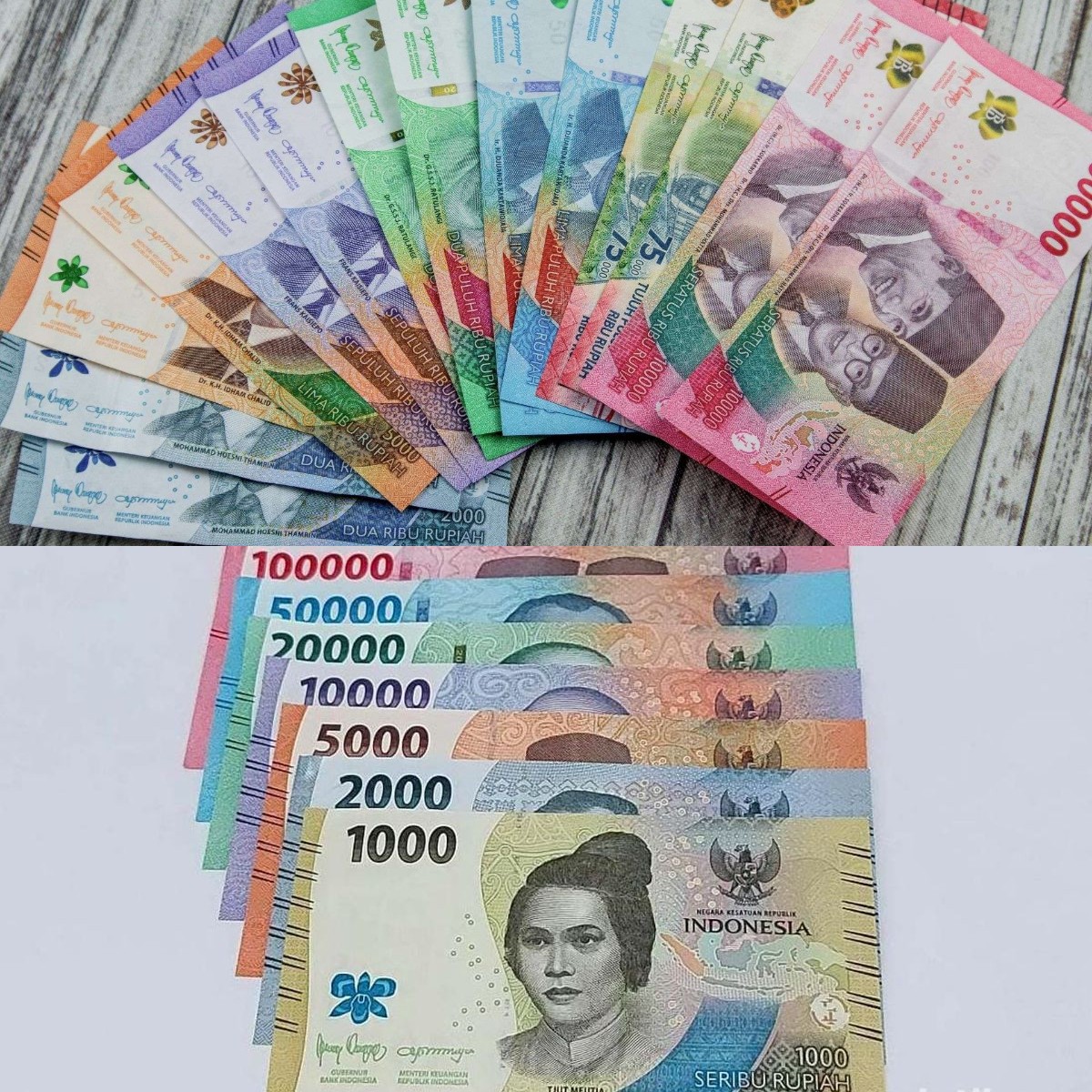
KORANPAGARALAMPOS.COM - Indonesia is making significant progress in reducing its reliance on the US dollar. Recent data from Bank Indonesia shows that the country’s Local Currency Transaction (LCT) initiative recorded a sharp increase in transaction volume during the first four months of 2026.
The impressive growth highlights Indonesia’s broader strategy to strengthen the use of domestic currencies in international trade amid global economic uncertainty.
According to Bank Indonesia, the total volume of LCT transactions from January to April 2026 reached 22.61 billion US dollars, equivalent to approximately Rp 400.19 trillion based on an exchange rate of Rp 17,700 per US dollar.
Compared to the same period last year, when transactions stood at only 7.33 billion US dollars, the figure represents a remarkable 309 percent year-on-year increase.
The rapid rise reflects the growing adoption of local currencies in bilateral trade and cross-border financial transactions.
It also signals stronger confidence among trading partners in conducting settlements without depending heavily on the US dollar as an intermediary currency.
Director of Financial Market Development Department at Bank Indonesia, Ruth A. Cussoy Intama, stated that the increase in LCT transactions demonstrates Indonesia’s commitment to reducing exposure to dollar volatility during uncertain global economic conditions.
She explained that the trend is still expected to grow further throughout 2026, both in transaction value and the number of participating businesses.
The development also shows that more countries are becoming aware of the importance of transaction efficiency through direct local currency settlements.
China Becomes Indonesia’s Largest LCT Partner
In the implementation of Local Currency Transactions, China has emerged as Indonesia’s largest trading partner, contributing 89 percent of the total transaction volume. Meanwhile, Japan accounted for 6 percent, while Malaysia contributed around 3 percent.
The dominance of China highlights the strong trade relationship between the two countries. As Indonesia continues expanding exports and imports with major Asian economies, the use of local currencies is seen as a practical solution to lower transaction costs and reduce dependency on dollar conversions.
Ruth noted that many countries previously hesitant about adopting local currency settlement systems are now accelerating implementation due to rising global trade tensions and currency fluctuations.
The shift reflects a broader trend among emerging economies seeking more stable and efficient trade mechanisms.
- Tag
- Share
-
-