
US Dollar Drops Sharply as Global Optimism Rises and Markets Shift to Risk Assets
US Dollar Drops Sharply as Global Optimism Rises and Markets Shift to Risk Assets--
BACA JUGA:Top 5 U.S. Banks Offering Easy Loan Options for Locals and Expats
Another key factor behind the dollar’s decline is recent U.S. inflation data, which has influenced market expectations regarding the Federal Reserve’s monetary policy. Softer inflation figures often signal that the Fed may adopt a more accommodative stance, such as pausing interest rate hikes or even considering cuts.
Lower interest rates generally make the dollar less attractive to foreign investors, contributing to its depreciation. This shift in expectations has played a crucial role in weakening the greenback in recent days.
Impact on Gold and Global Markets
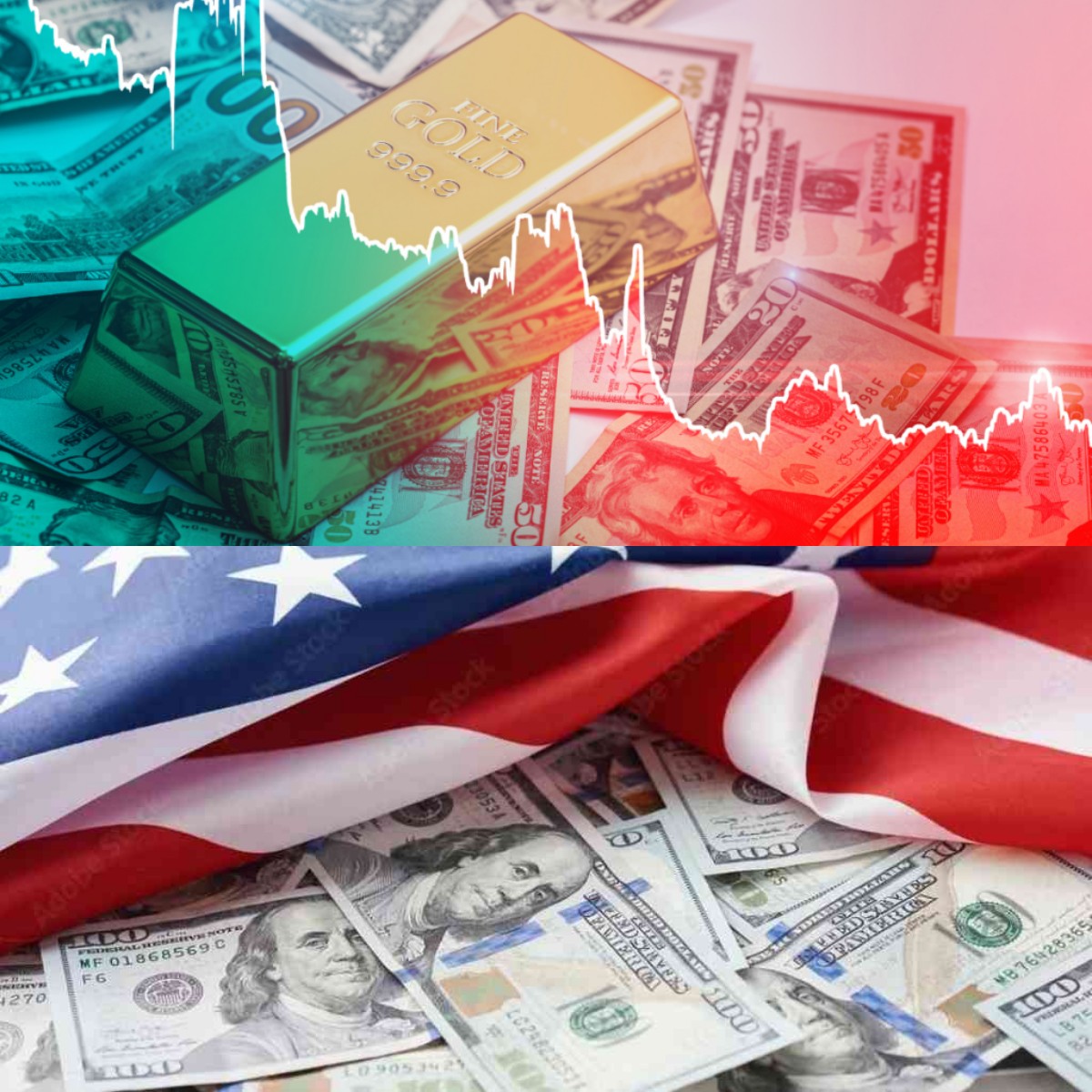
The weakening dollar has had a direct impact on gold prices, which tend to move inversely to the dollar. As the dollar declines, gold becomes cheaper for investors holding other currencies, leading to increased demand and higher prices.
At the same time, equity markets have benefited from the shift in sentiment. Investors are reallocating funds from the dollar into stocks and other growth-oriented assets, reflecting increased confidence in the global economic outlook.
Indonesian Rupiah Faces Pressure
Interestingly, not all currencies have benefited from the dollar’s decline. The Indonesian rupiah has moved in the opposite direction, weakening to around Rp17,100–Rp17,127 per U.S. dollar, marking one of its lowest levels on record.
This divergence highlights the complexity of currency markets, where domestic economic factors, capital flows, and investor perception can outweigh global trends. Despite a weaker dollar globally, emerging market currencies like the rupiah can still face pressure due to local challenges and external vulnerabilities.
BACA JUGA:Honda PCX 160 2026 Launched: Stylish Maxi Scooter with RoadSync and TFT Display
Investor Shift Toward Risk Assets
Reports indicate that investors are increasingly moving away from the dollar and into alternative investments, including equities and commodities. This trend aligns with improved global sentiment and expectations of a more stable geopolitical environment.
The reallocation of capital underscores a broader shift in market behavior, where confidence is gradually returning after periods of uncertainty.
Conclusion
- Tag
- Share
-
-