
Can Indonesia Stop Commodity Revenue Leakages With a State Export Agency?
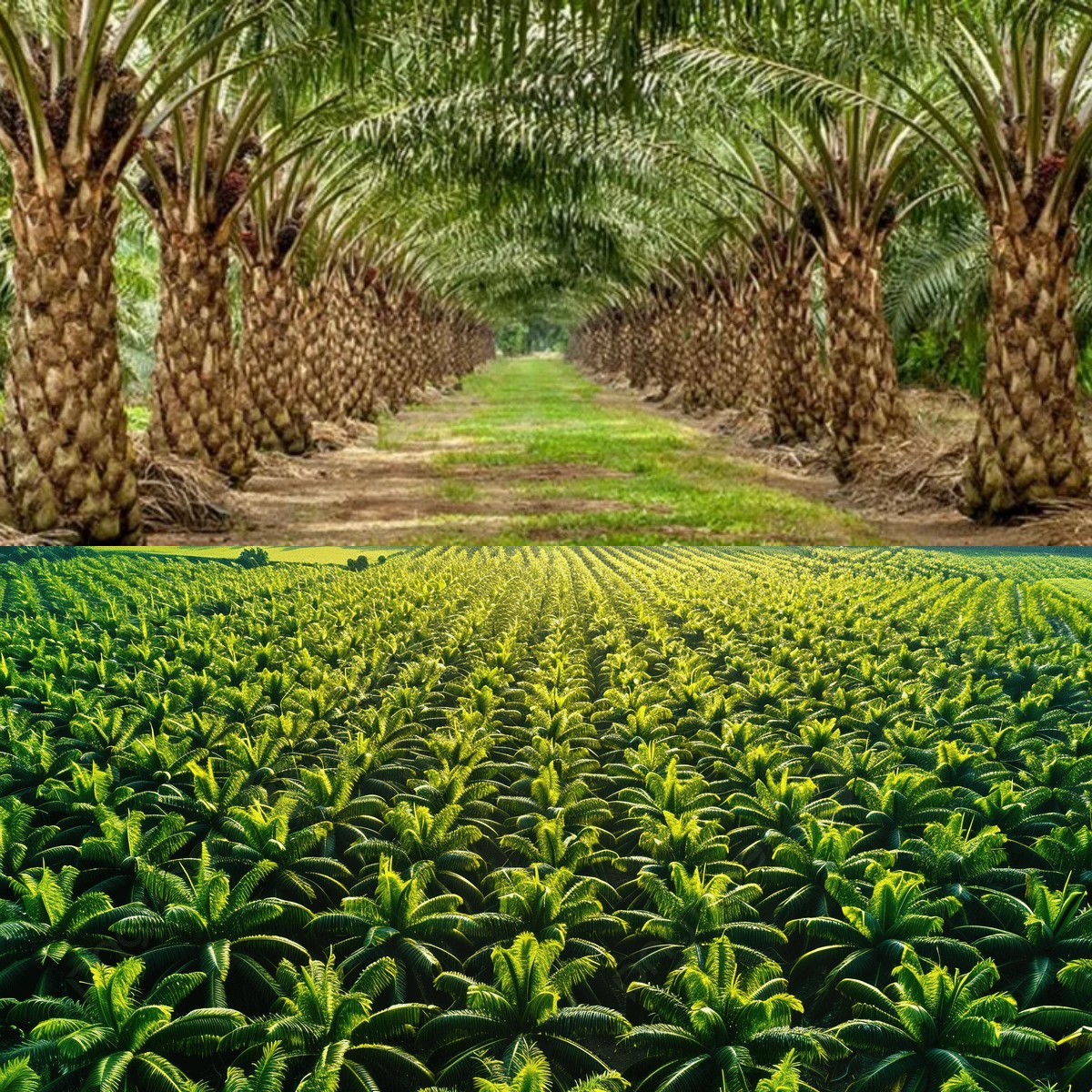
Can Indonesia Stop Commodity Revenue Leakages With a State Export Agency?--
KORANPAGARALAMPOS.COM - Indonesia has entered a new chapter in managing its vast natural resources. Under the leadership of Prabowo Subianto, the government is preparing a special state-owned export agency designed to control strategic commodity exports such as coal and crude palm oil (CPO).
The initiative is aimed at reducing foreign exchange leakages, strengthening state control over national resources, and ensuring Indonesia gains greater benefits from its own natural wealth.
At first glance, the policy appears ambitious and patriotic. For decades, Indonesia has remained one of the world’s largest exporters of thermal coal and CPO, yet much of the global pricing power and trade profits have been controlled by foreign trading hubs, particularly Singapore.
While Indonesia supplies the commodities, international traders often enjoy the largest margins.
The proposed Export SOE seeks to change that reality.
The Government’s Plan to Tighten Commodity Trade
According to the draft regulation circulating publicly, strategic commodities may only be exported through the newly established state-owned export body.
This means the government plans to become a dominant actor in Indonesia’s commodity trade system rather than merely regulating it.
The move represents a major shift in Indonesia’s economic policy direction. Over the past two decades, Indonesia largely relied on market-based export mechanisms, although restrictions such as export bans, domestic market obligations (DMO), and export levies were occasionally implemented.
Now, the state aims to directly control the export pipeline for critical commodities.
One major reason behind this policy is the government’s concern over underinvoicing practices and export price manipulation.
Authorities suspect that some exporters have been selling commodities to affiliated companies abroad at artificially low prices before those companies resell them globally at market value.
As a result, substantial profits are recorded overseas instead of within Indonesia.
This practice harms Indonesia in multiple ways. Export taxes become lower, royalties decrease, and foreign exchange earnings fail to fully enter the domestic financial system.
- Tag
- Share
-
-