
BYD Holds EV Prices Steady Despite Rupiah Weakness and Rising Production Costs
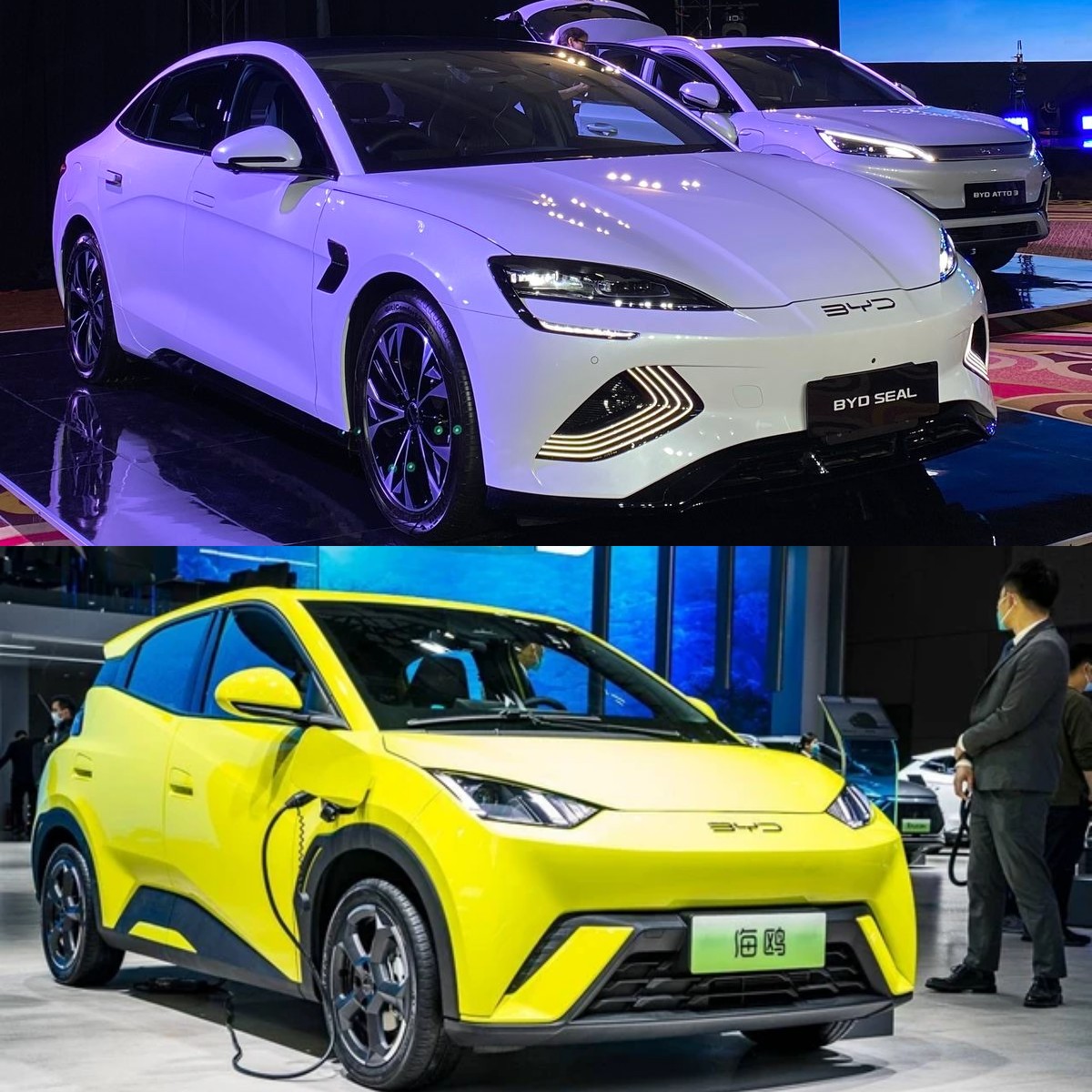
BYD Holds EV Prices Steady Despite Rupiah Weakness and Rising Production Costs--
KORANPAGARALAMPOS.COM - The weakening of the Indonesian rupiah against the US dollar is emerging as a serious challenge for the national automotive industry, especially electric vehicle manufacturers that still rely heavily on imported components and raw materials.
Despite growing pressure from global economic uncertainty and increasing production costs, BYD has confirmed that it has no immediate plans to raise vehicle prices in Indonesia.
The situation comes as the global automotive sector continues to face instability caused by geopolitical tensions, slowing economic growth, and rising manufacturing expenses in China.
One of the biggest concerns is the increasing price of semiconductor chips, which remain essential for modern electric vehicles.
These factors have significantly affected production costs across the electrification industry.
However, PT BYD Motor Indonesia remains optimistic about its long-term strategy in the Indonesian market.
The company stated that it fully understands the political, economic, and geopolitical dynamics currently influencing both domestic and global markets.
According to Luther Panjaitan, Head of Marketing PR and Government Relations at BYD Motor Indonesia, the company has carefully considered these risks since the early stages of its expansion plans in Indonesia.
He explained that BYD continues to prioritize affordability and consumer purchasing power, especially at a time when Indonesian consumers are becoming more cautious with spending.
Although production costs are increasing, the company believes maintaining stable pricing is crucial to preserving market demand and strengthening its brand presence in Southeast Asia’s largest economy.
BYD also emphasized that its investment in Indonesia is designed for the long term. The company remains confident in its product strategy, pricing structure, and promotional activities despite ongoing currency volatility.
Indonesia has become one of the most promising electric vehicle markets in the region, supported by government incentives and growing public interest in environmentally friendly transportation.
Yet the dependence on imported materials and global supply chains leaves manufacturers vulnerable to currency fluctuations.
The weakening rupiah raises concerns that vehicle prices could eventually increase if the exchange rate continues to decline over a longer period.
- Tag
- Share
-
-