
Indonesia Plans to Increase BPJS Contributions in 2026, Here's Why!
Indonesia Plans to Increase BPJS Contributions in 2026, Here's Why!--
This approach reflects the government’s effort to balance fiscal sustainability with social protection amid economic uncertainty.
Economic Growth Becomes Key Consideration
Meanwhile, Finance Minister Purbaya Yudhi Sadewa stated that the government will not rush into raising BPJS fees before Indonesia achieves stronger economic growth.
According to Purbaya, contribution increases would only be considered if economic growth surpasses 6% annually, significantly higher than the country’s average growth rate of around 5% over the past decade.
He argued that stronger economic conditions would improve employment opportunities and household income, allowing citizens to better absorb higher healthcare costs.
The minister also suggested that if Indonesia’s economy grows above 6.5% in 2026, discussions regarding contribution adjustments may become more realistic.
Current BPJS Contribution Structure Remains in Effect
For now, BPJS contribution rates continue to follow Presidential Regulation Number 63 of 2022. The regulation outlines various payment categories based on employment status and healthcare class.
Government-funded PBI participants continue receiving full subsidies. Meanwhile, salaried workers in government institutions, state-owned enterprises, and private companies contribute 5% of their monthly salary, with employers covering most of the payment.
Independent participants currently pay:
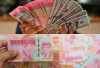
Rp 42,000 per month for Class III services
Rp 100,000 per month for Class II services
Rp 150,000 per month for Class I services
The regulation also states that monthly BPJS payments must be completed no later than the 10th of each month.
Interestingly, starting July 1, 2026, late payment penalties will no longer apply automatically. Penalties will only be charged if participants require inpatient hospital treatment within 45 days after reactivating their membership status.
- Tag
- Share
-
-