
Indonesian Crude Oil Prices Soar, Here's Why
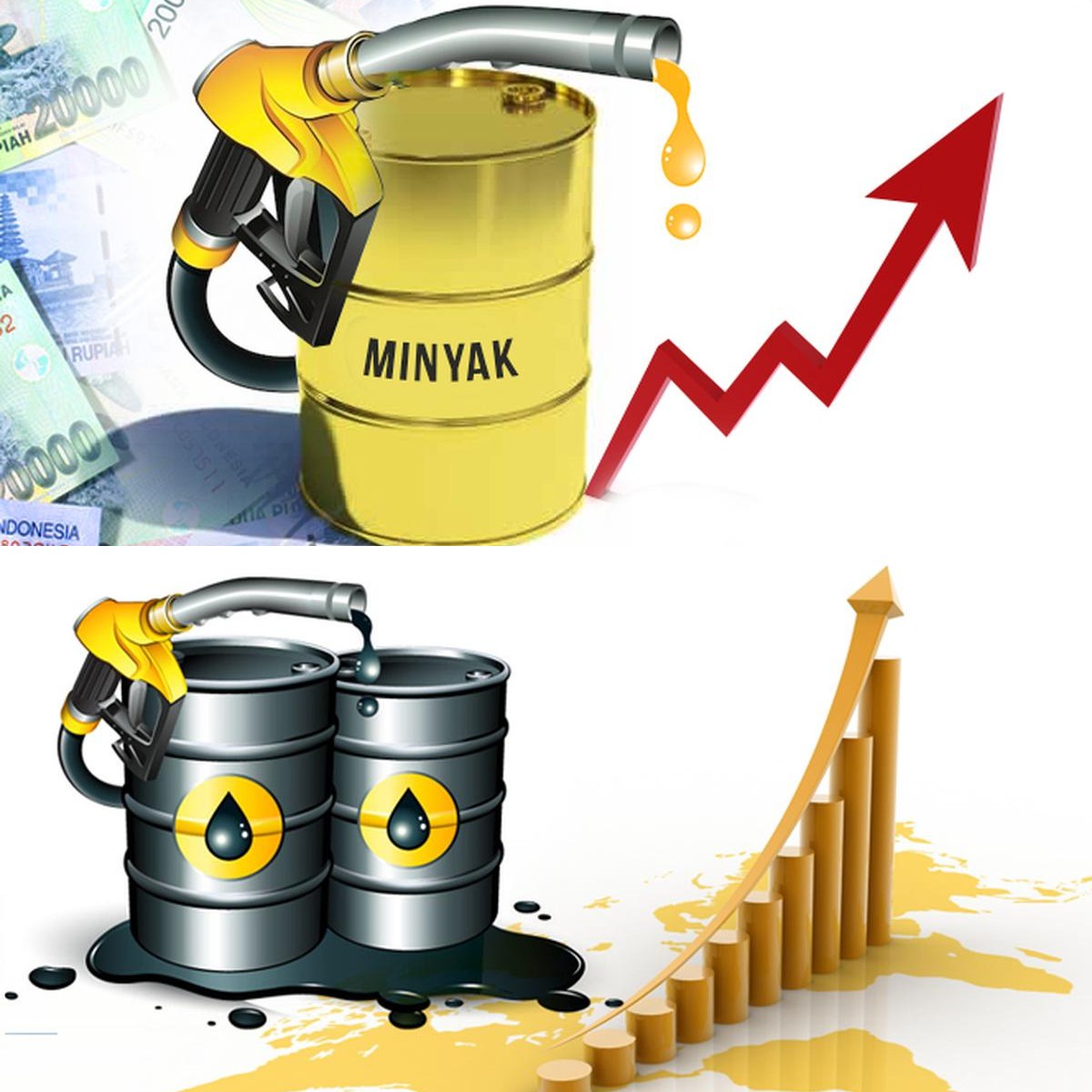
Indonesian Crude Oil Prices Soar, Here's Why--
As one of the world’s largest consumers of crude oil, China’s economic recovery and industrial activity directly impact worldwide oil consumption levels.
Despite the increase in prices, the Indonesian government believes there are several factors that could prevent oil prices from climbing even higher in the coming months.
One major factor is the projected decline in global oil demand during the second quarter of 2026, estimated to decrease by around 5 million barrels per day year-on-year.
Additionally, the possibility of renewed diplomatic negotiations between Iran and the United States could ease geopolitical tensions and stabilize energy markets.
The government emphasized its commitment to closely monitoring global oil market developments to maintain national energy resilience and ensure stable domestic energy supplies.
Indonesia continues to face challenges balancing energy security, economic stability, and global market fluctuations.
Data from April 2026 also showed varying movements among major global crude oil benchmarks.
Brent crude on the ICE market rose by US$2.86 per barrel to reach US$102.46 per barrel. Meanwhile, West Texas Intermediate (WTI) increased by US$7.06 per barrel to US$98.06 per barrel.
Dated Brent experienced one of the largest jumps, climbing US$16.66 per barrel to US$120.55 per barrel.
Interestingly, the OPEC Basket price moved in the opposite direction, declining by US$7.81 per barrel from US$116.36 to US$108.55 per barrel as of April 29, 2026.
This mixed performance reflects the complexity of the global oil market amid uncertain geopolitical and economic conditions.
The rise in Indonesia’s crude oil price demonstrates how interconnected the global economy has become.
From geopolitical conflict to economic growth in Asia, every development can significantly influence oil prices, energy policies, and financial markets worldwide.
- Tag
- Share
-
-