

Iran’s Banking Sector Under Extreme Pressure Amid 2026 Middle East Conflict
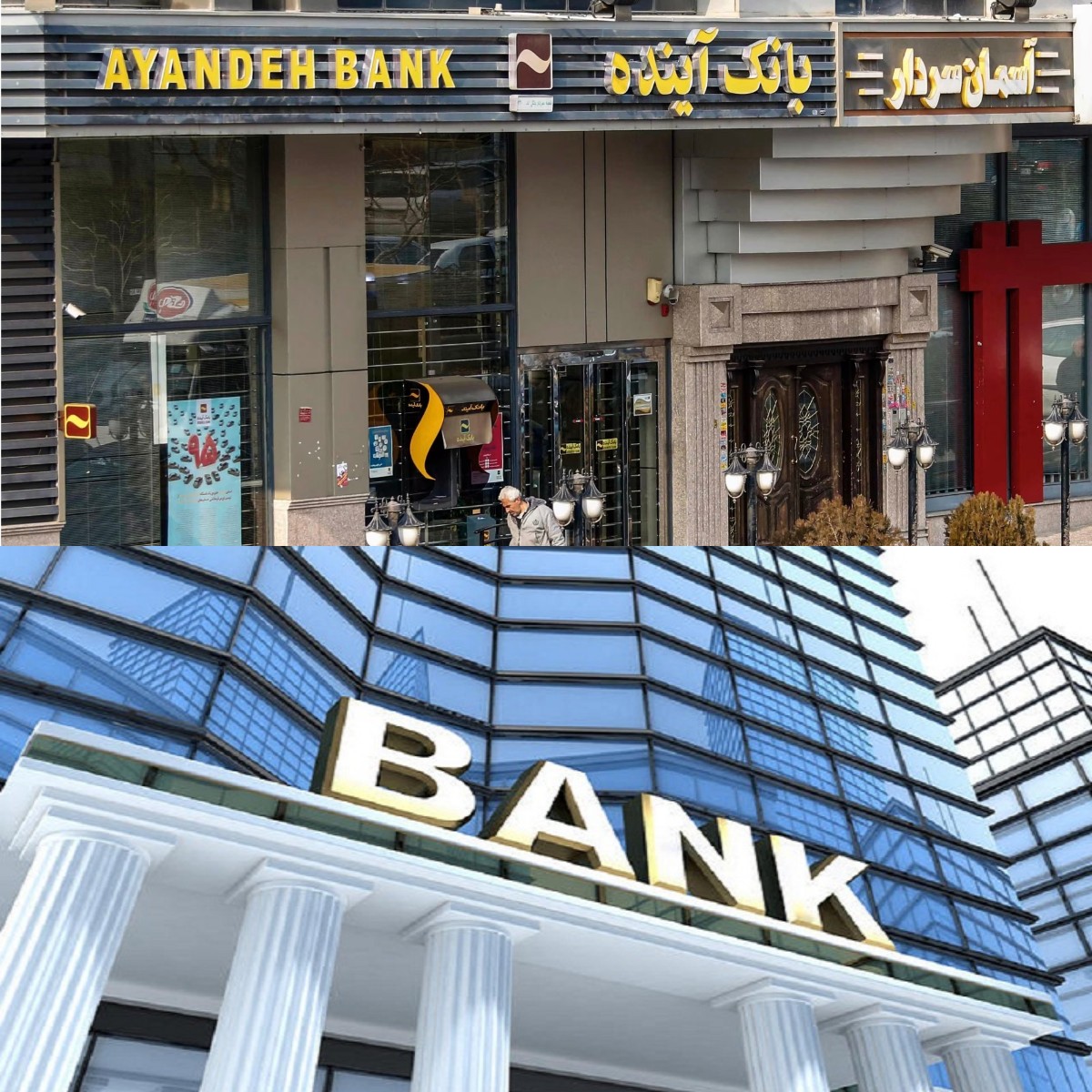
Iran’s Banking Sector Under Extreme Pressure Amid 2026 Middle East Conflict--
KORANPAGARALAMPOS.COM - The banking system in Iran is facing one of the most difficult periods in its modern financial history. As of May 2026, escalating military tensions involving United States and Israel have pushed Iran’s financial sector into a state of uncertainty, triggering concerns over liquidity, operational stability, and regional economic security.
Since the military conflict began on February 28, 2026, the pressure on Iran’s banking institutions has intensified dramatically. Financial analysts warn that the prolonged geopolitical crisis could weaken not only domestic banks but also regional financial markets connected to the Gulf economy.
One of the most alarming developments is the reported targeting of American and Israeli-linked banking assets by Iranian military forces as part of retaliatory strategies. This situation has increased fears surrounding the physical security of financial infrastructure across the region. Banking operations in Iran are now operating under heightened alert conditions, with concerns about cyberattacks, disruptions in payment systems, and interruptions to cross-border transactions.
The uncertainty has also affected public confidence. Businesses and consumers alike are questioning whether banks can continue operating normally during wartime conditions. Long lines at some financial institutions and increased demand for cash withdrawals have raised concerns about liquidity pressure inside the domestic banking network.
At the same time, Iran’s financial system is under growing international scrutiny. The United States has reportedly intensified monitoring efforts against alleged money laundering activities involving Iranian-linked cryptocurrency networks. These restrictions are making it increasingly difficult for Iranian banks and businesses to access global financial systems and conduct international transactions.
The cryptocurrency sector, once viewed as an alternative channel for bypassing sanctions, is now facing tighter surveillance. Financial authorities worldwide are working to track suspicious digital transactions connected to sanctioned entities. As a result, Iran’s banking institutions are becoming more isolated from international capital flows.
Economic conditions inside Iran are also worsening. The International Monetary Fund projects that Iran’s economy could contract by approximately 6.1 percent in 2026 due to the ongoing conflict and sanctions pressure. A shrinking economy directly impacts the banking sector because lower business activity reduces lending opportunities, weakens repayment capacity, and increases the risk of non-performing loans.
Iran’s banking structure itself presents additional challenges. The country’s central banking system operates under strong political influence, limiting the independence of monetary policy decisions during periods of crisis. Unlike many Western economies where central banks act independently to stabilize markets, Iran’s monetary policies are often aligned with state priorities, especially during wartime situations.
This lack of independence can complicate efforts to control inflation, stabilize currency markets, and restore investor confidence. Financial experts believe that emergency interventions may prioritize political and military objectives over long-term banking stability.
The impact of the conflict extends beyond Iran’s borders. Financial markets across the Gulf region are experiencing increased volatility as international banks tighten security measures in major trading hubs. Regional investors are becoming more cautious, while multinational financial institutions continue monitoring the situation closely.
Global banking groups are also reviewing operational risks tied to Middle Eastern exposure. Increased insurance costs, cybersecurity spending, and contingency planning are becoming standard practices for banks operating in nearby regions.
Despite the severe pressure, Iran’s banking sector continues attempting to maintain essential financial services. However, the combination of military conflict, economic contraction, sanctions, and international financial isolation creates a highly unstable environment for the country’s financial future.
As tensions remain unresolved, the resilience of Iran’s banking system will likely depend on geopolitical developments, economic recovery efforts, and the ability of financial institutions to adapt during one of the region’s most challenging crises in recent years.
- Tag
- Share
-
-